The All-Inclusive Guide to the Uses of Heat Recovery Ventilation in Modern Structures
Heat Recovery Ventilation (HRV) systems stand for a significant development in developing innovation (HRV Heat Recovery Ventilation). They give an approach for exchanging stale indoor air with fresh exterior air while reducing power loss. This technique not only boosts interior air quality but likewise adds to energy effectiveness in both household and business buildings. Comprehending the numerous applications and benefits of HRV can expose its essential role in contemporary style and sustainability initiatives. The effects of this technology deserve discovering even more
Understanding Heat Recovery Ventilation Equipments

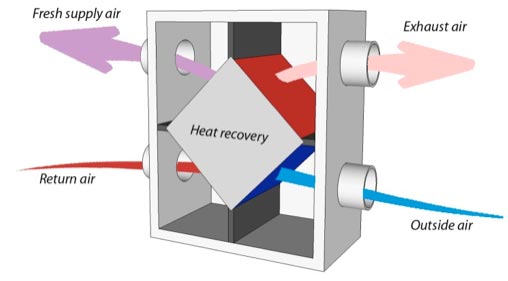
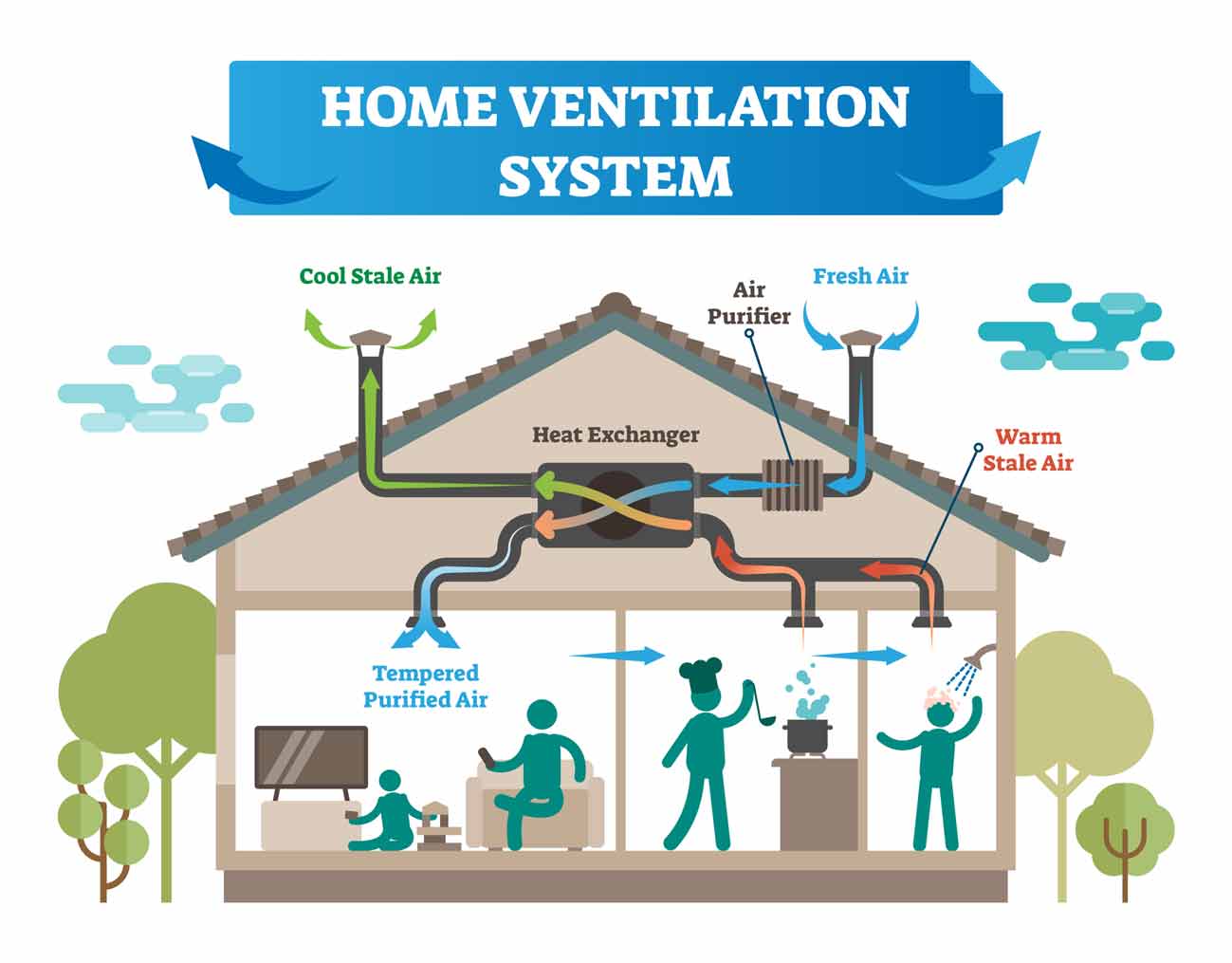
Lots of contemporary structures focus on power effectiveness, comprehending heat recovery air flow (HRV) systems is important for optimizing indoor air quality and minimizing energy intake. HRV systems function by moving warm from stale indoor air to incoming fresh air, successfully maintaining comfortable indoor temperatures while minimizing energy loss. These systems are composed of a warm exchanger, followers, and ductwork that facilitate the blood circulation of air. During winter, HRV units record and reuse heat from the outbound air, while in summer season, they can aid cool down inbound air. By constantly trading air, HRV systems also reduce moisture and the focus of indoor toxins. Correct setup and upkeep of HRV systems are necessary for their efficiency and effectiveness in enhancing total building performance and convenience.
Advantages of Heat Recovery Ventilation
Heat recovery ventilation systems use numerous advantages that boost both power performance and interior air high quality in modern-day structures. By capturing and recycling power from exhaust air, these systems greatly reduce heating and cooling costs, resulting in reduced energy intake. Moreover, they maintain a stable flow of fresh outdoor air, reducing the risk of indoor air toxins and irritants. This continuous exchange assists manage moisture degrees, avoiding mold growth and ensuring a healthier living atmosphere. Additionally, HRV systems add to sustainability objectives by decreasing total carbon footprints. Their capacity to optimize ventilation without sacrificing thermal convenience makes them a valuable addition to modern building layout, promoting both economic and eco-friendly advantages.
Applications of HRV in Residential Buildings
As home owners increasingly prioritize energy performance and indoor air high quality, the applications of heat recovery ventilation (HRV) systems in property buildings have become more widespread. HRV systems are specifically beneficial in snugly secured homes, where keeping fresh air circulation is crucial for stopping dampness accumulation and indoor pollutants. They properly transfer heat from outbound stale air to incoming fresh air, reducing energy costs related to cooling and heating. Additionally, HRVs can improve comfort degrees by managing moisture and temperature. They are likewise adaptable for numerous property designs, consisting of single-family homes and multi-unit buildings. Overall, incorporating HRV systems supports sustainable living techniques while guaranteeing a healthier indoor atmosphere for owners.
HRV in Industrial and Commercial Settings
In industrial and industrial settings, go to this website the application of warm recuperation air flow (HRV) systems has become increasingly essential for optimizing energy efficiency and preserving air high quality. These systems successfully move warm from exhaust air to inbound fresh air, reducing the demand for extra heating or air conditioning. This not navigate here only decreases energy prices however likewise adds to sustainability campaigns. Industries such as manufacturing, warehousing, and office buildings profit greatly from HRV systems, as they assist regulate temperature and humidity degrees, making certain a comfortable and efficient atmosphere. HRV systems help in getting rid of pollutants and excess dampness, improving indoor air quality. As laws around air quality become more stringent, the fostering of HRV innovation is likely to expand, making it a crucial part of modern-day industrial and industrial facilities.
Future Fads in Heat Recovery Ventilation Modern Technology
Often Asked Questions
How Does Heat Recovery Ventilation Influence Indoor Air High Quality?
Heat recovery ventilation greatly improves interior air high quality by continuously exchanging stagnant interior air with fresh exterior air while recovering energy. This process reduces contaminants, maintains ideal humidity degrees, and guarantees a much healthier setting for owners.
Can HRV Equipments Be Mounted in Existing Buildings?
HRV systems can undoubtedly be mounted in existing buildings. Retrofitting may call for adjustments to ductwork and air flow formats, however it considerably boosts power efficiency and interior air high quality, making it a feasible alternative for older structures.
What Maintenance Is Needed for HRV Solutions?

Exist Details Climates Where HRV Is Extra Reliable?
Heat recovery ventilation systems are especially efficient in environments with substantial temperature level differences in between seasons. These systems maximize power effectiveness by recuperating warmth from exhaust air, making them suitable for both cool and reasonably warm settings.
Just How Do HRV Solutions Affect Energy Bills?
Comments on “How Long Does HRV Last? Breaking Down System Lifespan”